Polillo Island is one of the Philippines' best-kept secrets — a rugged, lush island in Quezon Province where the beaches are quiet, the sandbars are golden, and the locals still greet every visitor like an old friend. If you've been craving a real island escape without the crowds of Boracay or the price tag of El Nido, this guide is for you. Here's everything you need to plan your trip to Polillo Island from scratch.
- What is Polillo Island?
- How to Get to Polillo Island from Manila
- Ferry Schedule & Boat Tips
- Best Time to Visit
- Best Beaches in Polillo
- Burdeos Sandbars & Island Hopping
- Things to Do in Polillo
- What to Eat in Polillo
- Full Foodie's Guide →
- Budget Breakdown
- Essential Travel Tips
- Ultimate Packing List →
- Where to Stay
What is Polillo Island?
Polillo Island is the largest island in the Polillo Group of Islands — a cluster of about 27 islands and islets sitting roughly 25 kilometers east of mainland Luzon in the Philippine Sea. It falls under Quezon Province, one of the largest provinces in the Philippines, and is made up of three municipalities on the main island: Polillo (the main town and port), Burdeos, and Panukulan. Farther out are the islands of Patnanungan and Jomalig.
Despite being just six hours from Metro Manila, Polillo remains blissfully undiscovered compared to other island destinations. You won't find large resort chains, crowded tourist strips, or overpriced cocktail bars here. What you will find are pristine beaches, some of the most spectacular sandbars in Luzon, lush rainforest trails, and warm local communities whose livelihoods are rooted in fishing and farming.
📍 Location: Quezon Province, CALABARZON, Philippines | 🗺️ Distance from Manila: ~104 km | 🚢 Total travel time: 6–7 hours | 👥 Population: ~72,000 (main island) | 🏖️ Best known for: Burdeos Sandbars, island hopping, unspoiled beaches, Philippine cockatoo sanctuary
Polillo is also ecologically significant. The island group is a priority area for biodiversity conservation, home to the critically endangered Philippine cockatoo (katala), endemic bird species at the Minasawa Bird Sanctuary, rich coral reefs, and sea turtle nesting beaches. For nature lovers, it's a dream destination.
How to Get to Polillo Island from Manila
Getting to Polillo requires a combination of bus and boat — but don't let that discourage you. The journey itself is part of the adventure, and once you arrive, you'll understand why it's worth every hour.
Step 1 — Bus from Manila to Real, Quezon (4–5 hours)
Your starting point is Raymond Bus Terminal along Legarda Street, Sampaloc, Manila. Raymond Bus operates the Manila–Real route daily, with trips running from early morning through late evening. For the most stress-free experience, take the overnight trip (departing around 10 PM) so you arrive in Real by dawn and catch the morning ferry to Polillo.
- Bus fare: approximately ₱180–₱280 one-way
- Travel time: 4 to 5 hours depending on traffic
- Alternative routes: Marikina-Infanta Highway via Antipolo/Tanay for private vehicles
Book your bus seat in advance during Holy Week and summer (March–May) — these are the busiest travel periods and seats sell out fast. You can also hire a private van from Manila to Real for groups of 8–10 for roughly ₱3,500–₱4,500 one-way.
Step 2 — Transfer to Ungos Port in Real
Once your bus arrives at the Real terminal, take a tricycle or jeepney to Ungos Port — the main departure point for ferries to Polillo Island. The ride costs around ₱15–₱30 and takes just a few minutes. If you arrive in Real before dawn, you can wait at the port area where small eateries open early to serve travelers.
Step 3 — Ferry from Real to Polillo (2–3 hours)
There are two types of sea vessels crossing from Real to Polillo:
- Fastcraft (e.g., Syvel): ~2 hours, ₱225–₱300 one-way, no vehicles, more comfortable seating
- RoRo / Passenger Ferry (e.g., Starhorse Shipping): ~2.5–3 hours, slightly cheaper, accepts motorcycles and small vehicles
The boat ride is genuinely beautiful — open ocean, fresh air, and views of the Sierra Madre on one side and the Pacific on the other. Bring a light jacket as it can get cool on the water, especially on early morning trips.
Step 4 — Transfer to Your Resort
Upon docking at Polillo Port, tricycles and habal-habals (motorcycle taxis) are available for hire. If you're staying at La Julia Island Beach Resort in Brgy. Kalubakis, a tricycle ride from the port takes about 15–25 minutes and costs roughly ₱100–₱150 for the whole vehicle. We recommend messaging your resort in advance so they can help coordinate your arrival.
Ferry Schedule & Boat Tips
Ferry schedules are the most important thing to plan around when visiting Polillo. Missing a boat means waiting several hours for the next one — or staying an extra night (which honestly isn't the worst thing). Fare and Boat schedule may change from time to time. You can check the daily update of trips from here Polillo → Real and here Real → Polillo.
| Departure | Route | Vessel Type | Travel Time |
|---|---|---|---|
| 4:30 AM | Real → Polillo | Fastcraft | ~2 hrs |
| 5:00 AM | Real → Polillo | RORO | 2-3 hrs |
| 5:30 AM | Real → Polillo | RORO | 2-3 hrs |
| 12:00 NN | Real → Polillo | RORO | 2-3 hrs |
| 4:45 PM | Real → Polillo | Fastcraft | ~2 hrs |
| 5:30 PM | Real → Polillo | RORO | 2-3 hrs |
| 5:00 AM | Polillo → Real | Fastcraft | ~2 hrs |
| 9:30 AM | Polillo → Real | Fastcraft | ~2 hrs |
| 10:00 AM | Polillo → Real | RORO | 2-3 hrs |
| 12:00 NN | Polillo → Real | RORO | 2-3 hrs |
| 9:30 PM | Polillo → Real | RORO | 2-3 hrs |
Schedules change seasonally and may be cancelled due to rough seas, especially during typhoon season (June–November). Always confirm current schedules at the port on the day of travel. PAGASA weather advisories determine whether trips push through.
There is also an alternative route from Dinahican Port in Infanta to Barangay Macnit in Polillo — a shorter 45-minute to 1-hour crossing, though with fewer departure times. This is useful for travelers coming from south of Manila or for those who miss the Real morning boats.
“As of 2025, Raymond Transportation has also launched a direct bus route from Legarda, Manila to Burdeos, Polillo Island, which can be convenient for guests staying in Burdeos or nearby barangays. Trip times and frequency may change, so we recommend checking directly with Raymond Bus or their official pages before your travel date.”
Best Time to Visit Polillo Island
Polillo is best visited during the dry season from November to May. This is when sea conditions are calmest, ferry crossings are most reliable, and the beaches and sandbars are at their most beautiful.
| Season | Months | Conditions | Recommendation |
|---|---|---|---|
| Peak / Summer | March–May | Sunny, calm seas, hot | ✅ Best — book early |
| Holiday Season | December–January | Cool, calm, festive | ✅ Great time to visit |
| Shoulder | November, February | Mostly clear, occasional rain | ⚠️ Good with flexibility |
| Typhoon Season | June–October | Rain, rough seas, typhoon risk | ❌ Not recommended |
Holy Week (March–April) is the single busiest period — Polillo sees a massive surge in domestic tourists during this time. If you want peaceful beaches, avoid Holy Week or book your accommodation months in advance. The summer months of April and May offer the best combination of good weather and slightly fewer crowds compared to Holy Week.
February and early March are arguably the best time to visit — weather is ideal, the sea is calm, tourist crowds haven't peaked yet, and you'll often have beaches entirely to yourself.
Best Beaches in Polillo Island
Polillo Island and its surrounding municipalities are surrounded by beaches at every turn. Here are the ones worth prioritizing:
Bato Beach (Barangay Agta, Polillo Town)
One of the most accessible and beautiful beaches on the main island. Bato Beach features a long stretch of coarse white sand backed by coconut trees, with calm waters ideal for swimming. Several small resorts and beach houses line the shore, making it the most developed beach area on Polillo Island — though "developed" by Polillo standards still means refreshingly uncrowded.
San Francisco Beach (Polillo Town)
A quieter, less-visited stretch near the town proper. Great for early morning walks and watching local fishermen head out for the day. The sunsets here are exceptional.
Salibungot Beach (Jomalig Island)
If you're willing to make the extra 5–6 hour boat journey to Jomalig, Salibungot Beach rewards you with golden-hued sand that's unique in the Philippines — fine, warm, and absolutely stunning in the afternoon light. This is often compared to Boracay's famous white beach, but with almost no one on it.
Panukulan's Hidden Coves
The municipality of Panukulan, on the western side of Polillo Island, has several small unnamed coves and rock formations that reward explorers willing to hire a local boatman for a few hundred pesos. Some of the island's best snorkeling spots are found here near the fish sanctuary.
Burdeos Sandbars & Island Hopping
The Burdeos sandbars are the crown jewel of the Polillo Group — and the main reason most Manila travelers make the trip. A full-day island hopping tour out of Burdeos typically covers four to five stunning stops:
- Luli Sandbar — The most famous of the Burdeos sandbars. "Luli" is short for "lulubog, lilitaw" (sinking and rising) because this spectacular white sand strip appears and disappears with the tides. Best visited during low tide in the morning.
- Kukok Sandbar — Another stunning low-tide sandbar with crystal clear shallow water on all sides. Great for wading and photos.
- Kabalo Sandbar — Slightly farther and less visited than Luli, which means you often have it mostly to yourself.
- Anilon Island ("May Butas Cave") — A rocky islet with a natural sea cave tunnel you can swim through at low tide. One of the most unique natural features in the Polillo Group.
- Coral Garden — Exactly what the name suggests — a shallow reef teeming with hard and soft corals and colorful fish. Snorkel gear is a must.
- Isla Puting Bato — "White Rock Island," a small islet with striking white limestone formations rising from the sea.
Island hopping boats are typically hired from Burdeos port. A pump boat for a full-day tour costs roughly ₱2,500–₱4,500 depending on the boat size and number of stops. Ask your resort to help arrange this — we can coordinate everything as part of your stay at La Julia.
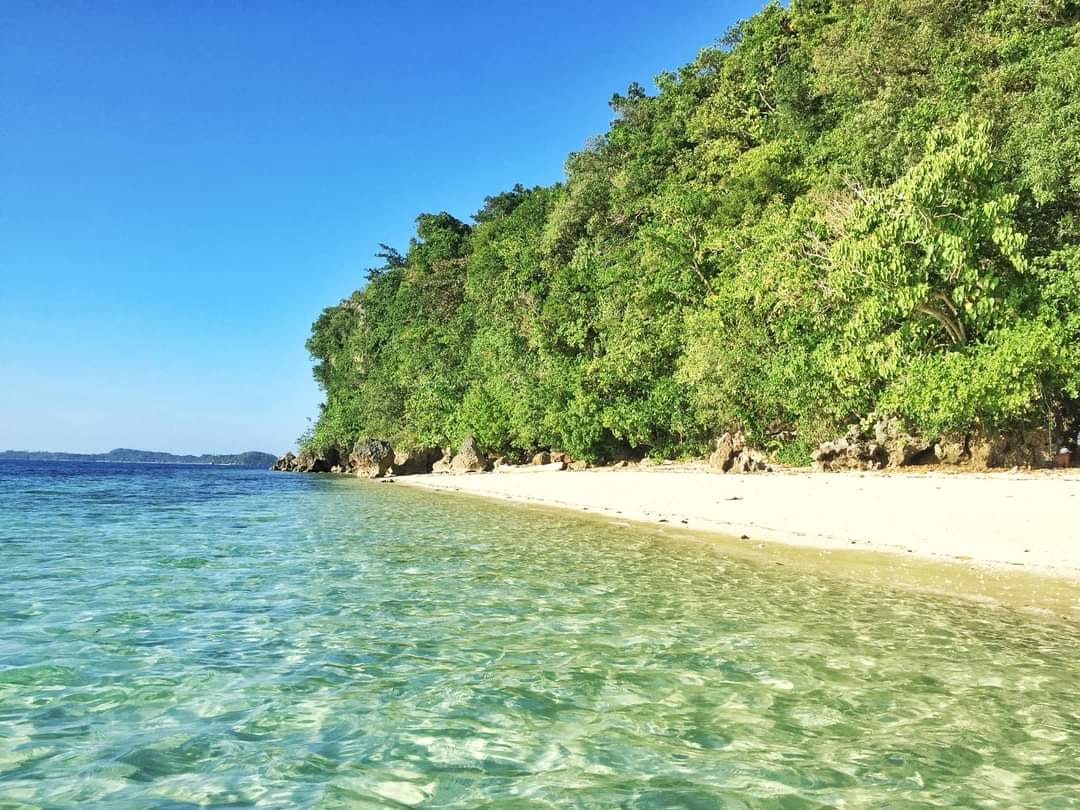
The sandbars around Burdeos are among the most beautiful in all of Luzon — and almost entirely crowd-free.
Things to Do in Polillo Island
Beyond the beaches and sandbars, Polillo has more to offer than most visitors expect:
Tamulaya & Balikyasay Falls
Two beautiful waterfalls accessible via trekking through Polillo's lush interior rainforest. The hike to Tamulaya Falls takes about 1–2 hours through dense vegetation and is best done with a local guide (easily arranged through your resort or the municipal tourism office). The payoff — a refreshing multi-tiered waterfall — is well worth the effort.
Minasawa Bird Sanctuary
Located near Burdeos, the Minasawa Bird Sanctuary is one of the last remaining strongholds of the critically endangered Philippine cockatoo (Cacatua haematuropygia), locally known as katala. The sanctuary is accessible by boat and guided visits can be arranged. Seeing a wild cockatoo in its natural habitat is an unforgettable experience.
Mt. Malulod Trekking
At 350 meters, Mt. Malulod is the highest point on Polillo Island. The trail through the island's mountainous interior offers sweeping views of the Philippine Sea on one side and Lamon Bay on the other. Best tackled in the early morning when the air is cool.
The Spanish-Era Church and Ruins
Polillo was formally established as a pueblo in 1587, and evidence of its Spanish colonial history still stands in the town center. The St. James the Greater Parish Church, first constructed in 1577, is one of the oldest in Quezon Province. The surrounding ruins of Spanish-era walls and watchtowers (castillos) built to defend against Moro pirates are fascinating to explore.
Polillo Mangrove Forest Reserve
One of the most extensive mangrove systems in Quezon Province, the Polillo mangrove reserve can be explored by kayak or small boat. The roots teem with juvenile fish, crabs, and mudskippers, and the birdwatching is exceptional in the early morning.
What to Eat in Polillo Island
Polillo is not a destination for fine dining — but it is an exceptional destination for fresh, honest, extraordinary Filipino seafood. Here's what to look for:
Fresh Fish and Shellfish
The waters around Polillo are among the most productive fishing grounds in Luzon. Expect incredibly fresh fish — lapu-lapu (grouper), tanigue (wahoo), bangus (milkfish), maya-maya (red snapper) — cooked simply: sinangag, inihaw, or sinigang. Local fishermen sell their catch along the port road each morning, and many resorts (including La Julia) can cook purchased fish for guests.
Alimango and Hipon
Mud crabs (alimango) and fresh shrimp (hipon) are abundant and cheap. Order them steamed with garlic butter or in a rich coconut-cream broth (ginataang alimango) — it's unforgettable.
Pancit Habhab (Quezon's Signature Dish)
You're in Quezon Province — you must try pancit habhab, the province's iconic noodle dish eaten directly from banana leaves without utensils. You'll find it at carinderias in the Polillo town center and at fiesta gatherings.
Suman and Buko Sweets
Quezon is the Philippines' top coconut-producing province, and every sticky rice cake, latik, and buko pie reflects that heritage. Stock up on suman and other kakanin (rice cakes) from local vendors near the market.
The Polillo public market area has several carinderia-style eateries (turo-turo) where a full meal with rice costs ₱60–₱120. Bring enough cash — ATM access is very limited (one ATM near the Municipal Hall) and card machines are almost nonexistent in Polillo.
Budget Breakdown for a Polillo Trip
Polillo is one of the most affordable island destinations in the Philippines. Here's a realistic budget estimate for a 2-day, 1-night trip from Manila:
| Expense | Budget | Mid-Range |
|---|---|---|
| Bus (Manila–Real, round trip) | ₱360–₱560 | ₱560–₱700 (aircon) |
| Ferry (Real–Polillo, round trip) | ₱400–₱600 | ₱500–₱700 |
| Tricycle transfers (both ways) | ₱200–₱400 | ₱400–₱600 |
| Accommodation (1 night) | ₱500–₱1,500/pax | ₱1,500–₱4,000/pax |
| Island hopping tour | ₱500–₱800/pax | ₱800–₱1,200/pax |
| Meals (3 meals) | ₱300–₱500 | ₱600–₱1,200 |
| Entrance fees & incidentals | ₱100–₱200 | ₱200–₱500 |
| Total per person | ₱2,400–₱4,200 | ₱4,600–₱9,000 |
For groups traveling together and splitting accommodation costs, Polillo becomes even more affordable. A beach house accommodating 10–15 guests at ₱5,000 per night works out to just ₱333–₱500 per person for accommodation alone.
Essential Travel Tips for Polillo
Bring Enough Cash
There is only one ATM in Polillo town (located outside the Municipal Hall), and it is not always operational. The islands of Burdeos, Panukulan, Jomalig, and Patnanungan have essentially no ATM access at all. Bring all the cash you need for your entire stay before boarding the ferry.
Pack Light But Smart
Bring reef-safe sunscreen (regular sunscreen damages corals and is frowned upon near the Coral Garden), a reusable water bottle, a light rain jacket, insect repellent, flip flops, and a dry bag for your electronics on the boat. Polillo has limited shopping — if you forget something, you may not be able to find it on the island.
Download Offline Maps
Mobile data signal (Smart/Globe) is available in the town centers but can be spotty in outlying barangays and on the water. Download an offline map of Polillo Island on Google Maps or Maps.me before you leave Manila.
Respect the Environment
Polillo's natural beauty is precisely what makes it special — and it's fragile. Don't step on corals, don't take shells or sand, don't litter on the beach, and follow the guidance of local guides near protected areas like the bird sanctuary and fish sanctuaries.
Weather Awareness
Polillo sits directly on the Pacific typhoon belt and is often one of the first areas to get hit when a typhoon approaches Luzon. Check PAGASA weather bulletins the day before and the morning of your ferry crossing. If Signal 1 or higher is raised over Quezon Province, ferries will likely be cancelled and you should postpone your trip.
When swimming in the open sea around Polillo, be aware of currents, especially near sandbars during tidal changes. Always swim within sight of your boatman and follow local advisories. The waters are generally safe but can shift quickly.
Where to Stay in Polillo Island
Accommodation options in Polillo range from basic transient houses and camping spots to comfortable beach houses with air conditioning, private kitchens, and beach access. Most are booked directly through Facebook, WhatsApp, or phone — OTA platforms like Booking.com and Agoda have very limited inventory for Polillo.
For families, barkadas, and groups looking for a quality beachfront experience with modern amenities, La Julia Island Beach Resort in Barangay Kalubakis is one of the top options on the main island. With three accommodation types (Beach House I, Beach House II, and Tower House), ocean views, air-conditioning, videoke, kayak access, and a kitchen, it offers everything you need for a comfortable island stay.
Stay at La Julia Island Beach Resort
Beachfront beach houses and cozy rooms starting from ₱1,500/night. Book direct for the best rate — just 10% downpayment to secure your date.